

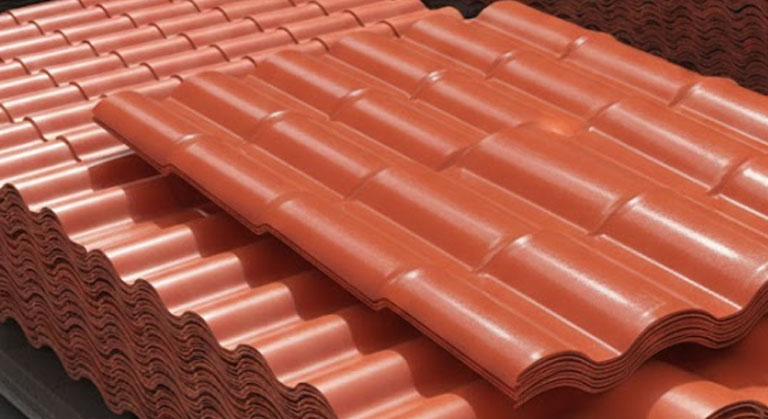
Roman tiles date back to ancient times, particularly during the height of the Roman Empire. The Romans developed an advanced roofing system using flat and curved clay tiles that interlocked to create a weather-resistant surface.
This roofing system was revolutionary for its time. It improved drainage, reduced water penetration, and increased the lifespan of buildings. Many archaeological sites across Italy and Europe still show evidence of these early tile systems — proof of their remarkable durability.
What Is a Roman Tile?
Roman tile (sometimes called “Double Roman”) features a distinct profile:
- A flat base with two raised, curved rolls
- A repeating wave-like pattern
- Interlocking design for strength and alignment
Materials Used in Roman Tiles
When it comes to quality roofing for your home, there are many different types of roofing materials and styles to choose from, each with their own unique features and benefits. Some popular roofing materials include asphalt shingles, metal roofing, and tile roofing, while popular styles include gable,
Clay Roman Tiles
Traditional Roman tiles are made from natural clay. They are kiln-fired, which gives them:
- Rich, earthy color tones
- Excellent longevity
- Natural resistance to heat
Clay tiles can last 50–100 years or more with proper maintenance.
2. Concrete Roman Tiles
Concrete alternatives became popular in the 20th century. They:
- Are more affordable than clay
- Offer uniform color options
- Provide strong durability
While slightly heavier than clay, they remain a practical choice for many homeowners.
Advantages of Roman Tile Roofing
✔ Durability
Roman tiles withstand harsh weather, including intense sun, wind, and even fire.
✔ Energy Efficiency
The curved design allows airflow beneath the tiles, helping regulate roof temperature.
✔ Low Maintenance
Compared to asphalt shingles, Roman tiles require minimal maintenance.
✔ Aesthetic Appeal
The distinctive wave pattern adds elegance and architectural character.